Behind the Curtain: How Risk Algorithms Shape Dynamic Odds Adjustments in Real-Time Football Wagering Apps
Yves Wagner · Aug 14, 2026
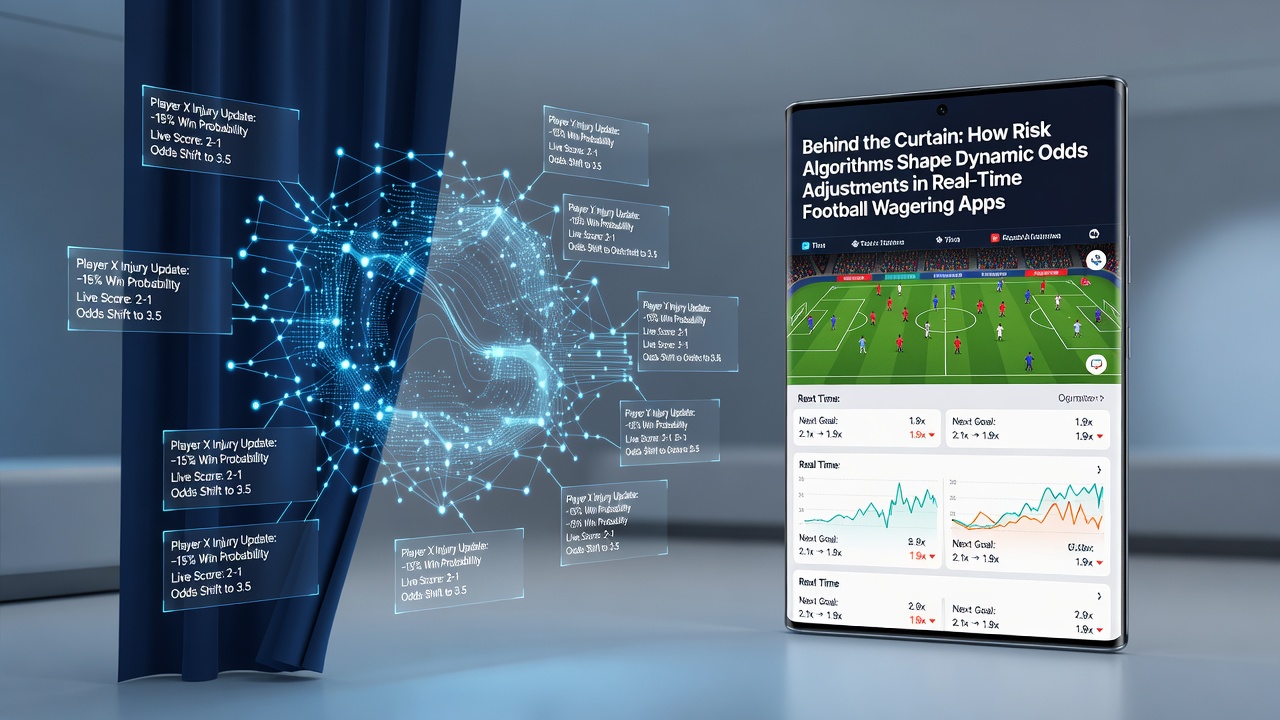
Behind the Curtain: How Risk Algorithms Shape Dynamic Odds Adjustments in Real-Time Football Wagering Apps
Football wagering apps rely on risk algorithms that process live match data, bet volumes, and historical patterns to recalculate odds every few seconds during games, and these systems operate continuously to balance operator exposure while responding to incoming wagers from users worldwide. In August 2026 operators reported increased reliance on these tools as football seasons overlapped across multiple leagues, creating higher volumes of simultaneous events that required rapid adjustments.
Core Mechanics of Real-Time Risk Models
Risk algorithms combine machine learning models wth statistical engines that ingest player tracking data, goal probabilities, and market liquidity metrics, then output revised odds that reflect both the on-field situation and the current book liability, and this process runs through distributed computing networks that update across mobile platforms in under a second. Observers note that when a sudden surge of bets lands on one outcome, the algorithm widens the spread or shortens the price to discourage further exposure on that side while encouraging the opposite.
These models draw from decades of match archives plus real-time feeds supplied by data providers, and they factor in variables such as weather, substitutions, and even referee tendencies that have shown measurable influence on scoring rates in past seasons. Data from European operators shows average odds adjustments occurring 12 to 15 times per minute during high-profile matches, with the frequency rising further in stoppage time.
Liability Management and Market Balance
Operators use the algorithms to cap maximum exposure on any single outcome, and when liability thresholds are approached the system automatically moves lines to steer new money toward lower-risk positions. One major platform in Australia documented a 27 percent reduction in large payout events after implementing an updated risk engine that integrated cross-league correlation data, allowing it to detect when heavy action on multiple related markets could compound losses.
Yet the same tools also create opportunities for bettors who track line movement patterns, because sharp bettors often identify when an algorithm has overreacted to early money and left value on the other side of the market. Research from the University of Nevada, Las Vegas indicates that professional syndicates now allocate significant resources to monitoring these shifts across multiple apps simultaneously.
Integration with Live Data Streams
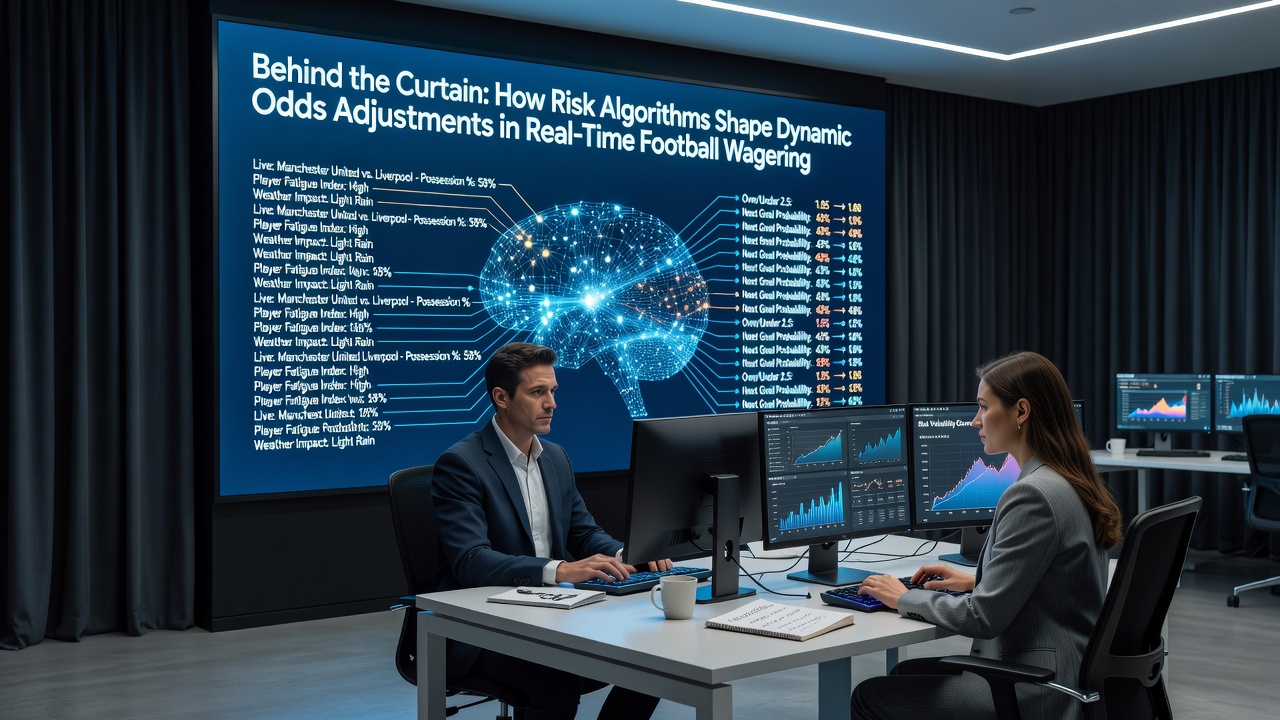
Modern systems pull optical tracking data, expected goal models, and possession metrics directly from stadium sensors, then feed those inputs into probability engines that recalculate outcome likelihoods before pushing revised prices to user interfaces. This pipeline allows apps to reflect a red card or a key injury within seconds, and it also incorporates betting flow from other regions where the same match is available, creating a global view of market sentiment.
According to figures released by the European Gaming and Betting Association, live football markets accounted for 61 percent of total handle in 2025, up from 48 percent five years earlier, and the growth has driven further investment in algorithmic infrastructure that can handle the resulting data load without latency spikes.
Regulatory Oversight and Compliance Requirements
Regulators in several jurisdictions now require operators to maintain audit logs of every odds change and the data inputs that triggered it, and these records help authorities verify that adjustments follow documented risk policies rather than arbitrary decisions. Canadian provincial regulators, for example, mandate quarterly reviews of algorithm parameters to ensure they do not inadvertently disadvantage certain user segments through overly aggressive pricing.
Industry reports from the Responsible Gambling Council in Canada highlight that transparent documentation of risk models also assists in identifying potential problem gambling patterns, because rapid line shifts sometimes coincide with clusters of high-velocity betting that warrant intervention.
Future Developments in Algorithmic Risk Control
Developers continue to test reinforcement learning techniques that allow risk engines to improve their own parameters based on outcomes from completed matches, and early trials show modest gains in accuracy for predicting late-game momentum shifts. These advancements arrive as football calendars grow denser, with international tournaments and domestic leagues creating overlapping windows that test the limits of current processing capacity.
Conclusion
Risk algorithms remain central to the operation of real-time football wagering platforms, because they translate vast streams of match and market data into pricing decisions that protect operators while maintaining competitive odds for users. Continued refinement of these systems, supported by regulatory frameworks and academic research, shapes how dynamic adjustments occur across global markets.