Bookmakers Roll Out Enhanced Tools to Meet Prediction Market Competition in Football
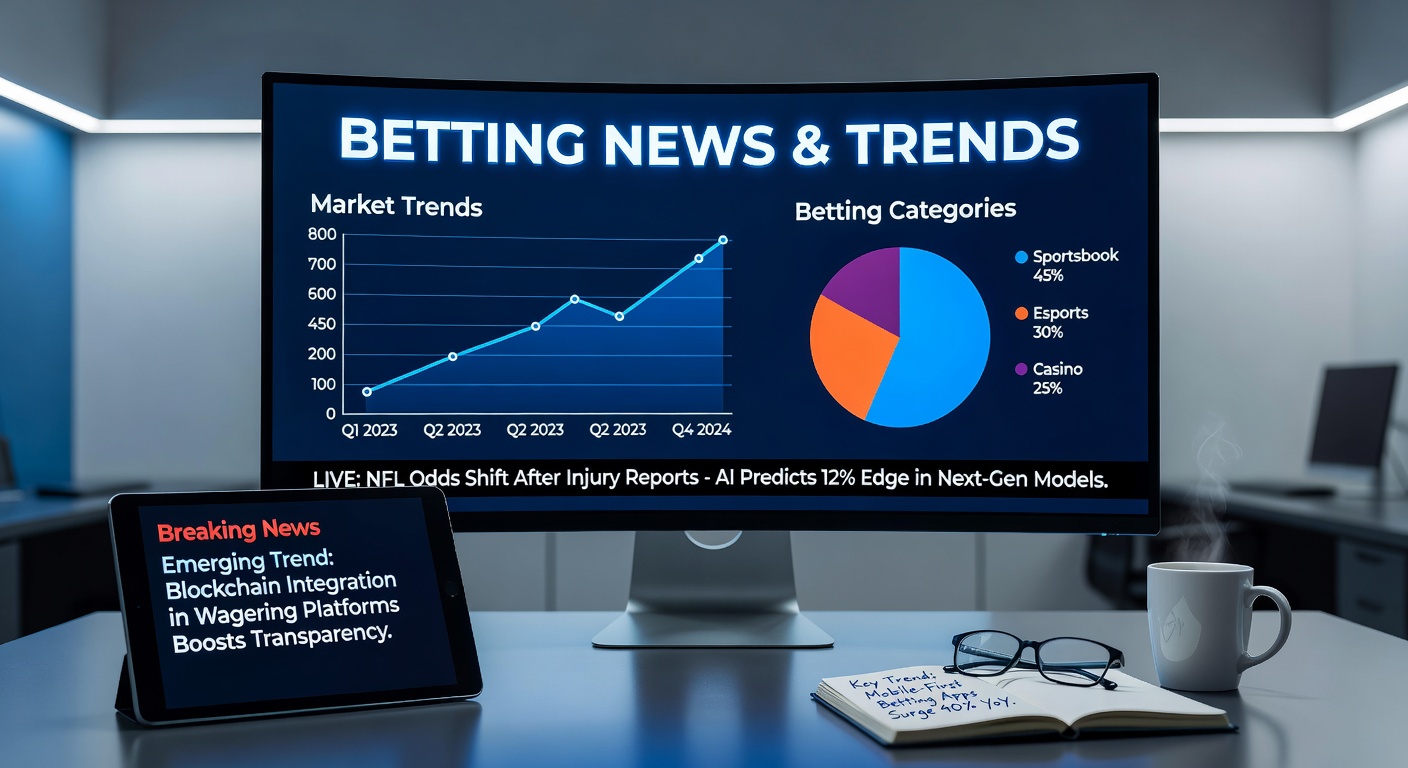
Traditional gambling operators and established bookmakers have started rolling out new product features and platform upgrades, and these moves come as prediction markets increase their presence in football wagering ahead of the 2026 World Cup; the adjustments reflect efforts to retain market share while regulatory frameworks continue to evolve across multiple jurisdictions.
Industry data shows that prediction markets have captured growing volumes in event-based outcomes, and licensed operators have responded by introducing dynamic odds adjustments along with integrated statistical overlays that mirror some of the real-time probability displays found on decentralized platforms. Observers note these changes began accelerating in early 2026, with several major European and North American groups testing beta versions of new bet-builder modules that allow users to combine multiple micro-events within a single match.
Market Pressures and Operator Responses
Prediction markets operate by letting participants trade shares in specific outcomes, and their expansion into football has prompted licensed bookmakers to refine user interfaces so that live odds refresh at intervals comparable to those seen on prediction platforms. Data from transaction monitoring firms indicates that average bet frequency per user has risen on both sides of the market, yet traditional operators maintain advantages in liquidity and regulatory compliance that many newer entrants still lack.
One operator in the Asia-Pacific region introduced a feature allowing customers to hedge positions mid-match through partial cash-outs tied directly to live probability models, and similar tools have since appeared in test markets across Latin America. These adaptations coincide with preparations for the expanded 48-team World Cup format, where the number of fixtures will increase substantially and create additional opportunities for granular betting products.
Regulatory Context and Platform Adjustments
Authorities in several jurisdictions have begun examining how prediction market mechanics intersect with existing sports betting licences, and licensed bookmakers have cited these reviews when explaining their accelerated development timelines. Figures released by the Australian Communications and Media Authority highlight steady growth in licensed wagering turnover during the first half of 2026, while parallel data from European trade associations shows operators investing in compliance layers that prediction platforms have not yet matched at scale.
Bookmakers have also expanded responsible gambling controls within the new interfaces, including session timers and spending caps that activate automatically when users engage with high-frequency micro-bets. These measures align with guidance issued by the National Council on Problem Gambling in Singapore, which recently updated its recommendations for digital wagering environments.

World Cup Preparations and Feature Rollouts
Preparations for the 2026 tournament have intensified focus on these competitive dynamics, and several operators have scheduled major platform updates for release in June 2026. The upgrades include enhanced API connections that pull external market signals into traditional odds engines, allowing bookmakers to adjust lines more responsively during matches that attract heavy prediction-market activity.
Case studies shared at industry conferences describe one European operator that integrated external probability feeds into its mobile app, resulting in a measurable uptick in user retention during test events earlier this year. Another firm based in Canada reported similar results after introducing customizable alert systems that notify users when prediction-market sentiment diverges from its own pricing models.
These technical enhancements occur alongside broader commercial strategies, including partnerships with data providers that supply granular player-performance metrics previously unavailable in standard betting menus. Observers point out that such collaborations help licensed operators differentiate their offerings while remaining within the boundaries of existing regulatory approvals.
Competitive Landscape and Future Developments
The competitive landscape continues to shift as both sides refine their approaches, and analysts expect further announcements throughout the remainder of 2026. Licensed operators maintain that their established risk-management frameworks and customer-verification processes provide structural advantages that prediction markets have yet to replicate consistently across borders.
Meanwhile, prediction platforms have begun exploring licensing pathways in select markets, which could narrow some of the operational gaps that currently separate the two models. Trade publications tracking these developments report ongoing discussions between industry groups and regulators in multiple regions, with particular attention on how cross-border data flows will be handled during the World Cup period.
Conclusion
Traditional bookmakers have responded to prediction market growth by deploying new features that emphasize speed, integration, and regulatory alignment, and these initiatives will face their most significant test during teh 2026 World Cup. The coming months will reveal how effectively these adaptations maintain market positions while the broader ecosystem continues to expand and diversify.