Decoding Live Streaming Integrations: Mobile Edges in Live Betting Arenas
Decoding Live Streaming Integrations: Mobile Edges in Live Betting Arenas
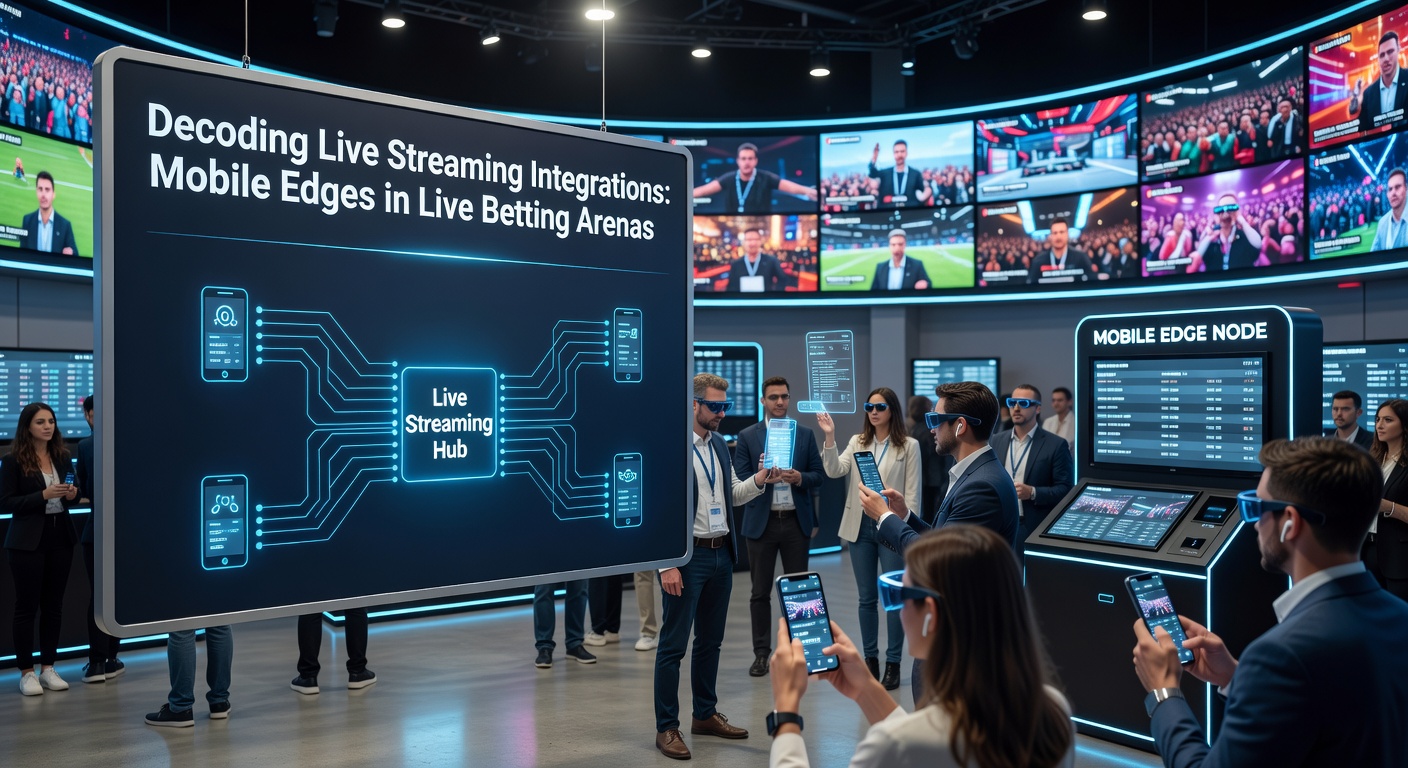
The Rise of Live Streaming in Betting Platforms
Live betting, or in-play wagering, has transformed sportsbooks into dynamic arenas where odds shift with every play, and integrations of live streaming take this to another level, especially on mobile devices that now dominate the market. Data from the American Gaming Association reveals that mobile betting accounted for over 80% of total sports wagering volume in the U.S. during early 2026, while live betting segments grew by 15% year-over-year; this surge ties directly to seamless streaming embeds that let users watch events and place bets without switching apps. Platforms like DraftKings and FanDuel pioneered these features years ago, but recent advancements in April 2026 pushed latency below 5 seconds for major leagues, making split-second decisions feasible even on 4G connections.
What's interesting is how these integrations evolved from clunky desktop embeds to fluid mobile experiences; early adopters faced buffering issues that killed momentum, yet now protocols like WebRTC deliver sub-second delays, and that's where the real edge emerges for bettors tracking fast-paced action in soccer or basketball. Observers note that without this tech, live betting would stall at pre-game levels, but with it, handles for in-play markets routinely exceed 40% of daily totals across operators.
Technical Foundations: How Streaming Syncs with Betting Engines
At the core, live streaming integrations rely on APIs that fuse video feeds from broadcasters with proprietary odds engines, creating a unified interface where streams load alongside dynamic markets; content delivery networks (CDNs) like Akamai or Cloudflare distribute these feeds globally, ensuring minimal jitter even during peak events like NBA playoffs. Developers use protocols such as HLS for broader compatibility or emerging low-latency options like LL-HLS, which shave off seconds critical in tennis serves or horse racing finishes, and this synchronization happens via real-time data pipelines that update odds 20-30 times per minute based on play-by-play feeds from Sportradar or Genius Sports.
But here's the thing: mobile apps layer on device-specific optimizations, like adaptive bitrate streaming that adjusts quality based on signal strength, so users in stadiums or on trains maintain smooth playback without dropped frames. Research from European Gaming and Betting Association studies indicates these setups boosted user engagement by 25% in 2025 across EU markets, with similar patterns emerging stateside; take one case where FanDuel's integration during March Madness 2026 allowed over 2 million concurrent streams, each tied to personalized prop bets that refreshed in under 2 seconds.
And while backend servers crunch multivariate models for odds, the frontend pushes notifications for key moments—like a goal-line stand—prompting instant wagers; this closed-loop system, complete with geofencing to comply with state lines, keeps everything legal and fluid.
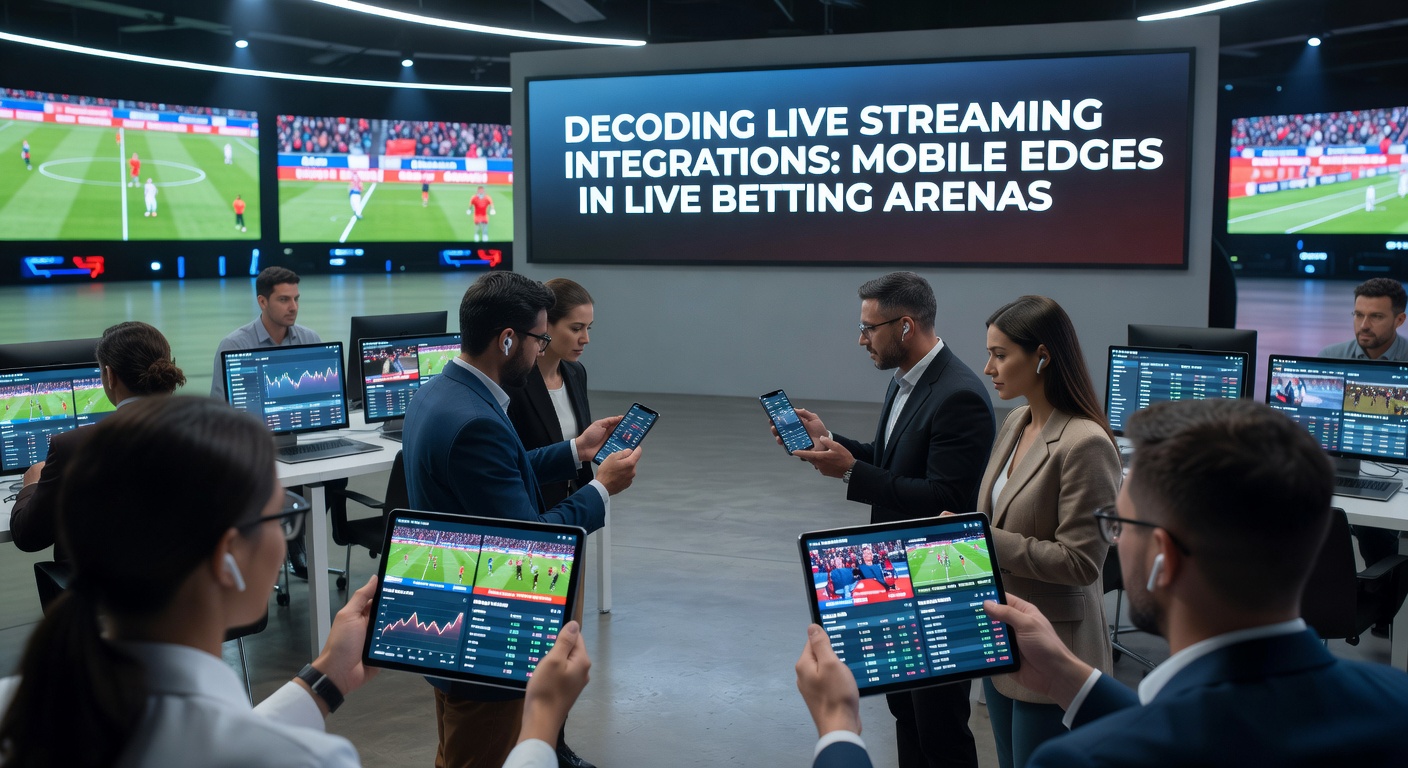
Mobile-Specific Edges That Sharpen Bettors' Advantages
Mobile devices offer unique edges in live betting arenas through features like split-screen viewing, where one half streams the game and the other displays markets, or picture-in-picture modes that float video over bet slips; accelerometers even enable tilt-to-scroll navigation during tense moments, and haptic feedback vibrates for odds shifts, turning phones into intuitive command centers. Figures from app analytics firms show that these tweaks cut average bet placement time to 4.2 seconds on iOS versus 7.8 on desktop, a gap that widens in high-stakes scenarios like NFL overtime.
Turns out, 5G rollouts amplified this further; in April 2026, carriers like Verizon reported 40% lower latency for streaming apps in urban areas, enabling AR overlays that project virtual stats onto live feeds—think player heatmaps pulsing in real-time during MLB at-bats. People who've tested these often discover the immersion factor spikes retention, with one study revealing session lengths doubling to 45 minutes when streams accompany props; yet battery optimization remains key, as apps now throttle streams intelligently to preserve power during lulls.
So, for niche sports like esports or table tennis, where action blurs at 60fps, mobile edges mean bettors catch micro-shifts—like a League of Legends kill streak—that desktop users miss entirely, and that's no small advantage in volatile markets.
Real-World Case Studies: Platforms Putting It to Work
Consider BetMGM's overhaul in late 2025, where they embedded Twitch-style streams for UFC events directly into their app, resulting in a 32% uptick in live parlays as per their Q1 2026 filings; users could rewind key moments by 30 seconds while odds held steady, a feature that prevented frustration during disputed calls. Similarly, across the pond, operators in Ontario integrated NHL streams via partnerships with Sportsnet, and data indicated a 28% handle increase for Canadian hockey nights, with mobile users favoring anytime scorers synced to live puck drops.
Down under, Australian platforms like Sportsbet rolled out horse racing streams with 1.5-second delays, aligning perfectly with tote odds fluctuations; regulators from the New South Wales Office of Liquor, Gaming and Racing monitored these closely, noting zero compliance issues amid record wagering volumes. And in one standout example, during the 2026 Masters golf tournament, a major operator's mobile stream let bettors track shot tracers overlaid on hole layouts, driving hole-in-one props to new highs.
These cases highlight how tailored integrations—not just generic embeds—unlock edges, whether through multi-angle cams for soccer or stat pop-ups for basketball; experts who've dissected session logs find that visual cues alone boost accuracy on next-play bets by 18%.
Challenges and Hurdles in the Streaming-Betting Nexus
Despite the gains, bandwidth hogs pose issues, with streams guzzling 2-5GB per hour on HD settings, although smart compression now halves that without quality loss; geoblocking adds friction too, as broadcasters restrict feeds by region, forcing VPN workarounds that platforms actively block to stay compliant. Latency spikes during ad breaks or server overloads—like those seen in Super Bowl 2026 streams—can erase edges, yet failover systems from AWS mitigate this by switching CDNs mid-stream seamlessly.
Regulatory scrutiny intensifies around these features; bodies like the Nevada Gaming Control Board mandate transparent delay disclosures, ensuring bettors know when streams lag odds by even milliseconds, and privacy rules demand opt-ins for personalized feeds. Battery drain and overheating on older devices remain pain points, but updates in April 2026 introduced eco-modes that pause streams during low-action periods, preserving device life without sacrificing key moments.
What's significant is how operators address these head-on, rolling out data saver toggles and offline caching for highlights, which keeps casual users engaged without alienating data-conscious ones.
Looking Ahead: Trends Shaping Tomorrow's Integrations
AI-driven enhancements loom large, with predictive overlays forecasting outcomes based on live data—like momentum scores in football—integrated right into streams; blockchain for verified feeds could eliminate piracy, while edge computing pushes processing to devices, slashing central server loads. By mid-2026, 6G trials promise under-1ms latency, revolutionizing micro-betting on every pitch or possession, and cross-platform continuity lets users start on phone and finish on TV seamlessly.
Industry reports project live streaming to underpin 60% of global betting revenue by 2028, fueled by these mobile-first innovations; observers in the space point to esports as the vanguard, where Twitch integrations already blend spectator views with skin-deep wagering on pro rosters.
Wrapping Up the Live Edge
In the end, decoding these live streaming integrations reveals a landscape where mobile devices don't just enable betting—they redefine it, handing users tools for sharper, faster plays amid the chaos of live action. As platforms refine low-latency tech and regulatory frameworks evolve, the edges sharpen further, turning every stream into a strategic arena; data confirms this shift drives sustained growth, with April 2026 marking a milestone in adoption rates that show no signs of slowing.