How Cross-Jurisdictional Licensing Variations Influence Secure Transaction Protocols in Digital Wagering Ecosystems
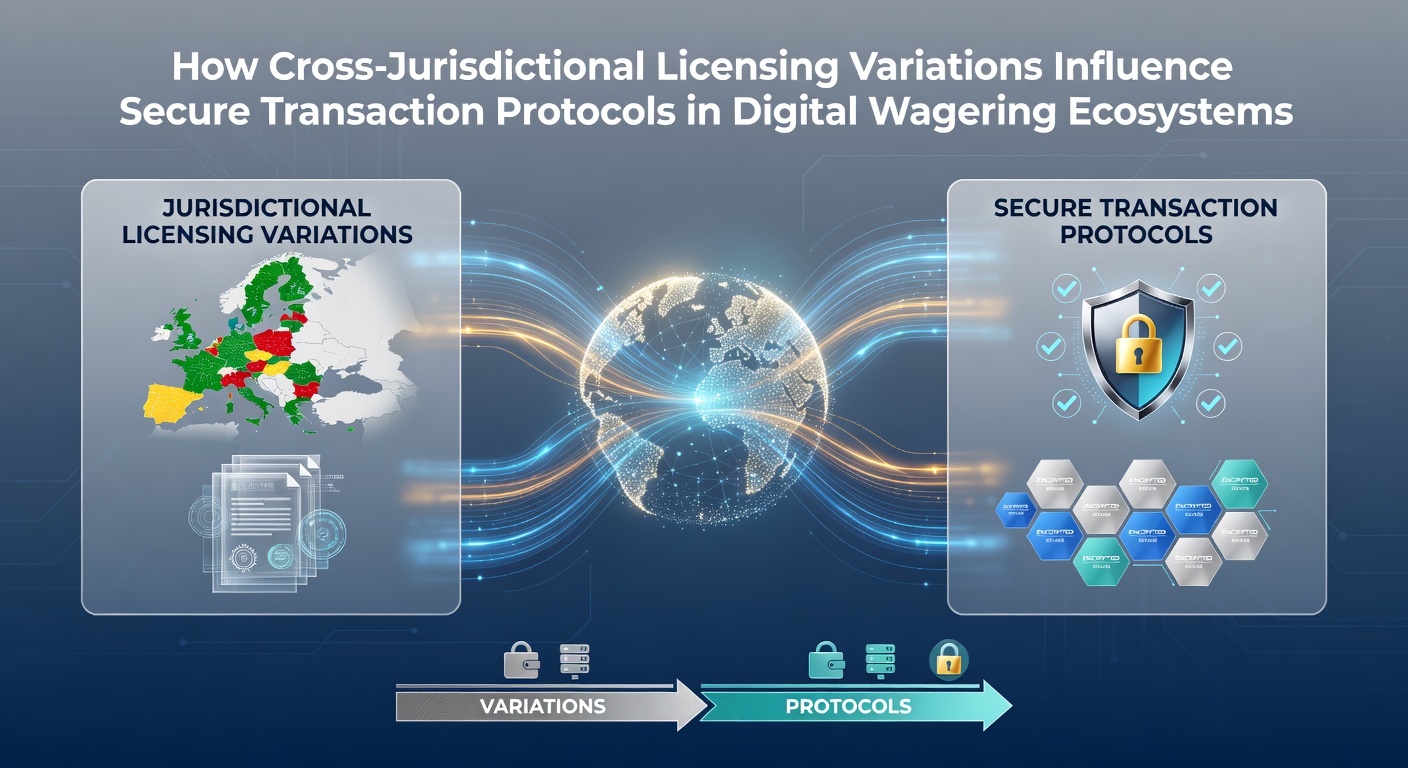
Digital wagering platforms operate under licensing frameworks that differ sharply from one jurisdiction to the next, and those differences directly shape the security measures operators must implement for every deposit, withdrawal, and data exchange. Research from regulatory bodies across North America and Europe shows that operators adapt encryption standards, identity verification routines, and anti-money laundering checks to satisfy the strictest rules in each market where they hold a license. Data indicates these adaptations create layered protocols that sometimes exceed baseline international standards, yet they also introduce friction when funds move between accounts governed by conflicting requirements.
Licensing Frameworks Across Major Regions
Operators active in multiple markets encounter distinct rules that govern everything from payment processor approvals to record retention periods. In the United States, individual state gaming commissions set their own criteria for financial safeguards, while Canadian provincial regulators focus on centralized reporting systems that feed directly into provincial oversight portals. Australian authorities require operators to integrate with national self-exclusion databases that trigger real-time transaction blocks, whereas several European countries emphasize data localization rules that keep customer financial records within national borders. These variations force platforms to maintain parallel compliance engines rather than a single unified system.
Transaction Security Protocols Shaped by Licensing Differences
Secure transaction protocols expand or contract depending on the licensing jurisdiction. Platforms licensed in markets with stringent capital reserve mandates often deploy multi-signature wallet architectures and daily reconciliation audits that exceed standard PCI-DSS thresholds. In contrast, jurisdictions with lighter reserve requirements may permit faster settlement cycles that rely on automated fraud scoring models instead of manual review queues. Observers note that operators frequently embed jurisdiction-specific modules into their core payment stack so that a single withdrawal request routes through different verification paths based on the player's registered license region.
Encryption requirements also diverge. Some licensing bodies mandate AES-256 with mandatory key rotation every 90 days, while others accept TLS 1.3 endpoints paired with tokenization services that shift liability to approved third-party processors. These technical distinctions become visible when users attempt cross-border transfers, because the receiving jurisdiction may reject transactions that fail its particular cryptographic audit trail standards.
Payment Flow Adaptations in Practice
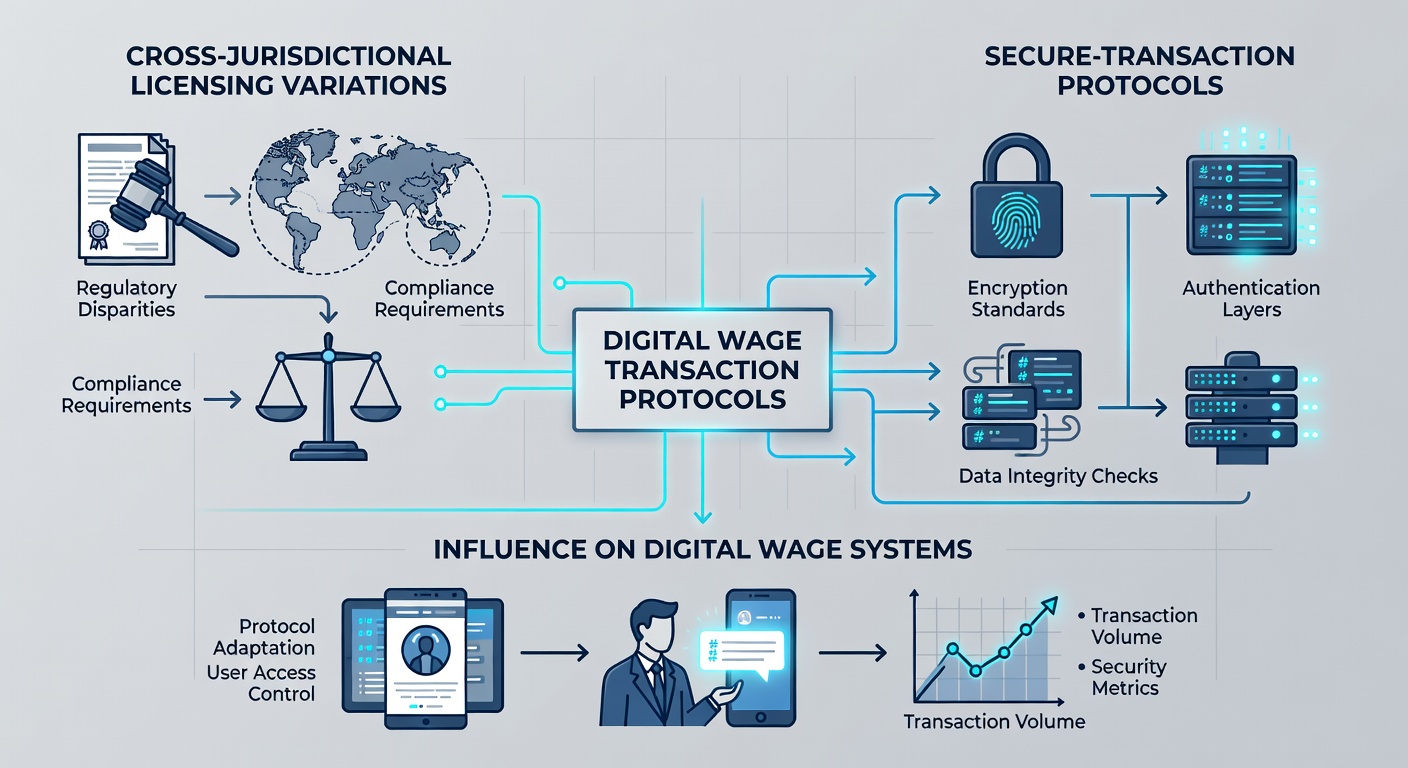
Consider a platform that holds licenses in both a U.S. state and a European member country. When a player initiates a withdrawal, the system first checks the originating license against a rules engine that applies the higher of the two jurisdictions' know-your-customer thresholds. If the European license requires video verification and the U.S. license accepts document upload alone, the stricter rule governs the transaction. The result appears as an extended processing window rather than an outright block, because operators design fallback procedures that satisfy both regulators without halting service.
Regulatory Data and Industry Patterns as of May 2026
Figures released in May 2026 by several North American gaming associations reveal that platforms operating across three or more licensing regimes spend an average of 18 percent more on transaction security infrastructure than single-jurisdiction operators. The same data sets show increased adoption of blockchain-based settlement ledgers in markets that permit them, because those ledgers provide immutable audit trails that satisfy multiple regulators simultaneously. Industry reports further indicate that operators have begun embedding geofencing at the payment gateway level so that transaction routing logic activates before funds ever leave the platform's custody.
Challenges When Protocols Conflict
Conflicts arise most often around data retention and cross-border data transfer rules. One licensing body may require seven years of transaction records stored locally, while another jurisdiction prohibits storage outside its borders after 24 months. Operators resolve these clashes by partitioning databases into region-specific shards and routing queries through access control layers that enforce the shortest applicable retention window. This approach satisfies regulators yet increases query latency during compliance audits.
Another recurring friction point involves third-party payment providers. A processor approved in one market may lack authorization in another, forcing operators to maintain redundant banking relationships. Research indicates that platforms with diversified processor networks experience fewer settlement delays during peak betting periods, because traffic can shift automatically when one provider encounters jurisdiction-specific restrictions.
Case Examples from Operational Platforms
One major operator expanded into a new Canadian province in early 2026 and immediately updated its withdrawal protocol to include provincial tax withholding calculations that did not exist under its existing U.S. state licenses. The change required integration with a real-time tax API that recalculates net amounts before funds reach the player's bank. A separate European platform introduced mandatory cooling-off periods on large withdrawals after its Maltese license renewal imposed new responsible gaming triggers that its prior Gibraltar framework had not required. Both examples illustrate how licensing updates translate into concrete code changes rather than policy documents alone.
Conclusion
Cross-jurisdictional licensing variations continue to drive incremental upgrades in secure transaction protocols across digital wagering ecosystems. Operators respond by building modular compliance systems that apply the strictest applicable rule to each transaction while maintaining operational efficiency. Data from regulatory filings and industry associations demonstrates that these adaptations have become standard practice rather than exceptions, and platforms that manage them effectively sustain broader market access without compromising security standards. As licensing frameworks evolve, transaction protocols will keep pace through continued technical refinement and closer alignment between regulatory expectations and engineering implementation.