Interface Efficiency in Managing Regulatory Hurdles for Global Wagering Transactions

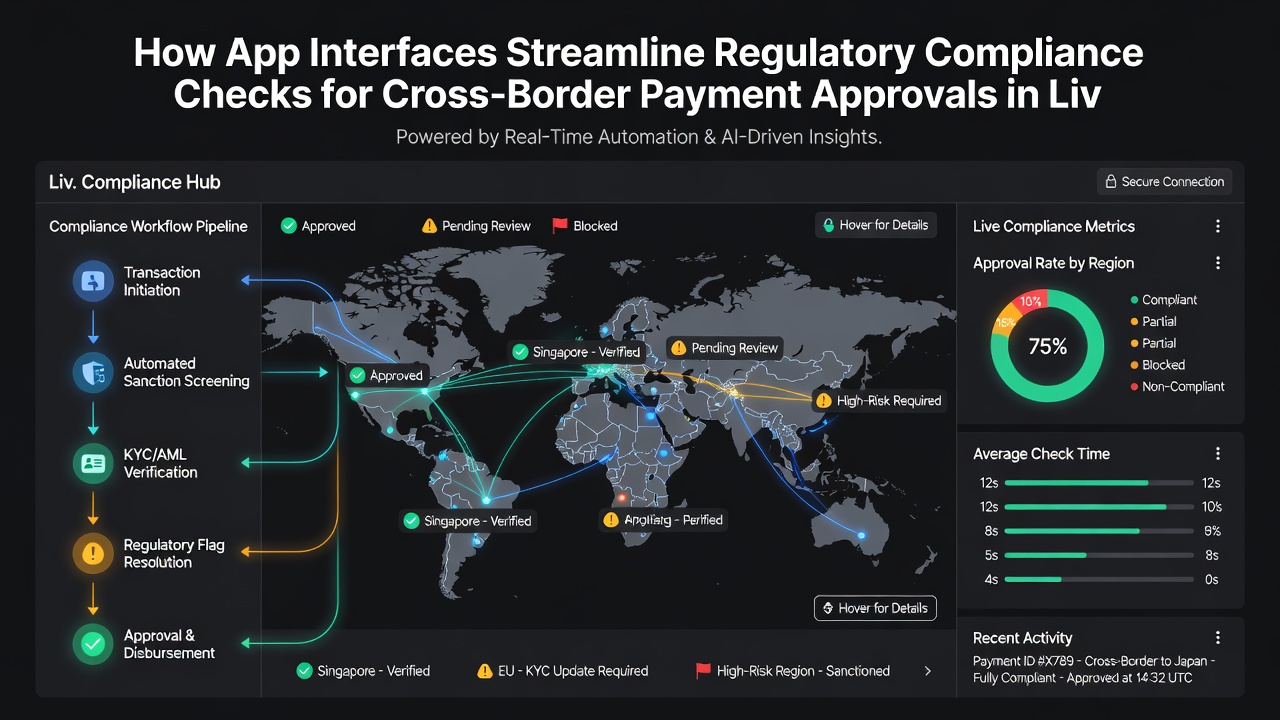
Live wagering platforms handle cross-border payments through interfaces that embed regulatory checks directly into transaction flows, allowing systems to verify user identity, transaction limits, and jurisdictional rules without pausing the betting experience. These designs pull data from multiple sources in real time, cross-referencing details against lists maintained by agencies such as the Financial Crimes Enforcement Network in the United States and equivalent bodies in other regions while the user remains engaged with the event.
Developers integrate automated screening tools that flag potential issues like mismatched addresses or unusual activity patterns, routing flagged transactions to secondary review queues or blocking them outright based on predefined thresholds. Data from June 2026 indicates platforms using these layered interfaces processed higher volumes of international approvals compared with earlier static systems, because the checks occur in parallel rather than sequentially.
Core Components of Compliance-Ready Interfaces
Modern dashboards present compliance status through color-coded indicators and expandable panels that reveal supporting documentation, giving operators visibility into each step without requiring separate logins to external databases. Geolocation services combine with IP verification modules to confirm user location against licensed jurisdictions, while payment method selectors automatically restrict options to those approved for the detected region. Observers note that such seamless integration reduces manual intervention rates, since the interface handles the bulk of preliminary validation before any human review occurs.
Encryption layers protect the data streams carrying personal and financial details, satisfying requirements outlined in reports from the European Gaming and Betting Association, yet the visual presentation keeps these technical safeguards invisible to the end user. When a transaction crosses multiple regulatory zones, the interface applies sequential rule sets, displaying a progress bar that updates as each jurisdiction's criteria receive confirmation.
Real-Time Verification in Live Environments
Live betting demands rapid approvals because odds shift continuously, so interfaces prioritize speed by caching frequently accessed regulatory data locally while refreshing critical fields through secure API calls. This hybrid approach allows checks for sanctions lists or politically exposed persons to complete within milliseconds, maintaining flow even during high-volume periods such as major international tournaments. Researchers at institutions studying digital gambling ecosystems have documented how these optimizations lower abandonment rates at the payment stage.
Multi-factor authentication elements appear contextually, triggered only when risk scores exceed certain parameters rather than at every transaction, which preserves user momentum. In June 2026 deployments, several operators reported that contextual prompts increased successful verifications without extending average session times, because the system learned from prior interactions and pre-populated fields where rules permitted.
Adaptation Across Jurisdictions
Interfaces accommodate varying licensing regimes by loading jurisdiction-specific modules on demand, swapping out required fields or disclosure statements as users select different markets. Canadian provincial regulators and Australian state authorities maintain distinct reporting formats, yet unified dashboards translate these differences into consistent backend outputs that feed centralized compliance logs. Industry reports from the Global Betting and Gaming Consultants highlight platforms that achieved broader geographic reach after adopting modular designs capable of toggling between rule sets without full application redeployment.
Operators track performance metrics such as approval latency and exception rates through built-in analytics panels, allowing teams to refine thresholds based on actual transaction patterns rather than static assumptions. When new regulations emerge, updates propagate through configuration files instead of code changes, shortening the interval between rule publication and live implementation.
Conclusion
App interfaces that embed regulatory compliance checks into cross-border payment workflows continue to evolve alongside shifting legal frameworks, delivering faster approvals while maintaining audit trails required by oversight bodies. Continued refinement of these systems supports expanded market access for live wagering platforms without compromising verification standards.