Licensing Frameworks Dictate How Support Teams Handle Mobile Payments and Bonus Inquiries
Support teams at licensed wagering operators function within strict boundaries set by jurisdictional licenses, and those parameters directly determine the answers customers receive when they ask about mobile payments or bonus eligibility. Licensing agreements require operators to embed compliance checkpoints into every customer interaction, which means support staff verify account status, transaction history, and promotional terms before providing any resolution.
Data from regulatory filings show that payment queries often trigger automated flags tied to anti-money laundering provisions embedded in the license itself. Staff members then follow scripted verification steps that vary by jurisdiction, such as cross-checking device location against approved regions or confirming that the payment method matches the registered account holder.
License Conditions Shape Daily Support Protocols
Each operating license contains specific clauses that govern how bonuses can be promoted, claimed, and ultimately cleared. When a customer contacts support about a mobile deposit match or free bet credit, the response follows protocols derived from those clauses rather than internal marketing preferences. Observers note that teams in multi-jurisdictional operations maintain separate response templates for each license to avoid cross-contamination of rules.
Researchers who examined public license documents found that bonus-related conditions frequently include minimum deposit thresholds, game weighting requirements, and maximum stake limits during the wagering period. Support agents reference these exact parameters in real time, which explains why identical bonus questions can produce different answers depending on the customer's registered jurisdiction.
Mobile Payment Verification Follows License-Specific Rules
Mobile payment queries routinely involve checks that extend beyond simple transaction status. Licenses issued by bodies such as the New Jersey Division of Gaming Enforcement require operators to confirm that deposits originate from approved payment processors and that funds clear before any bonus becomes active. Support staff therefore request additional documentation when a mobile wallet transaction appears outside expected patterns, even when the customer sees the funds deducted from their account.
Similar requirements appear in Australian state licenses administered through the Northern Territory Racing Commission, where support teams must confirm that bonus funds cannot be withdrawn until the customer completes a set number of qualifying bets. This creates situations where agents explain processing delays that stem directly from license-mandated holding periods rather than technical issues.
June 2026 Updates Highlight Ongoing Adjustments
Regulatory updates released in early June 2026 introduced new reporting obligations for operators holding licenses across multiple Canadian provinces. Support teams now log every bonus inquiry that references mobile deposit failures, and those logs feed into quarterly compliance submissions. The additional documentation requirements have lengthened average response times for payment-related tickets while reducing the range of information agents can share without supervisor review.
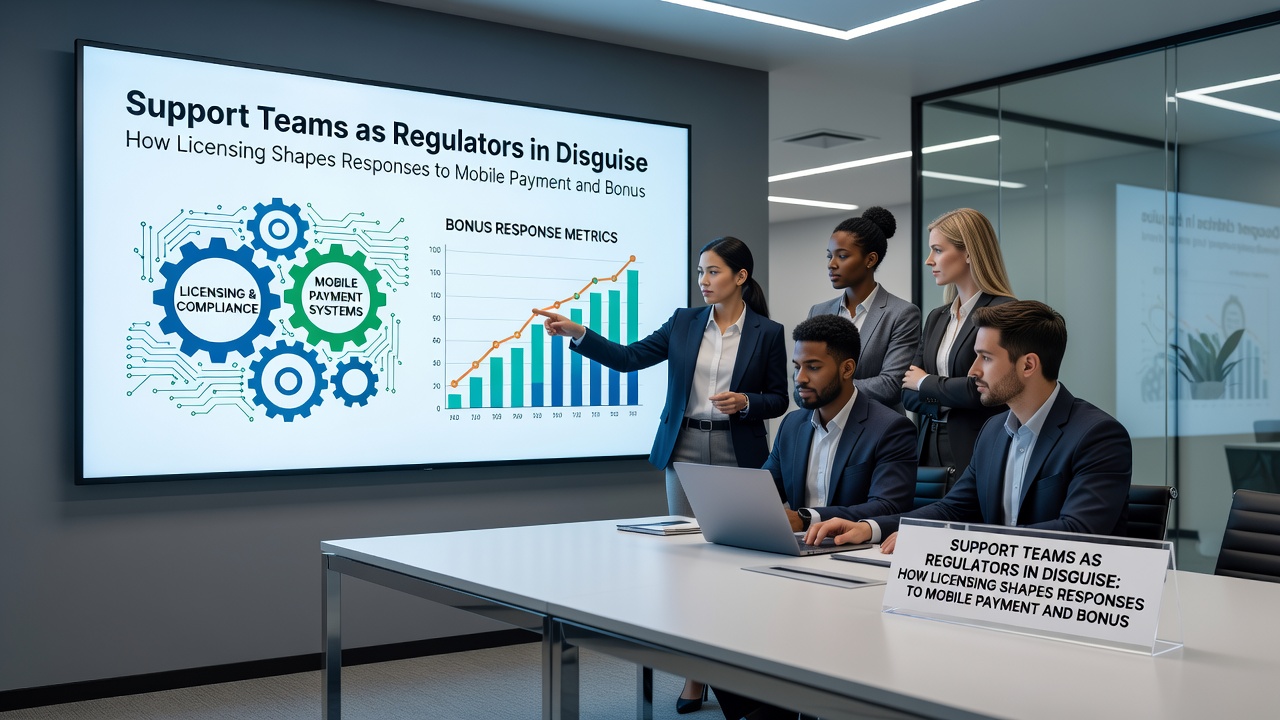
One study conducted by academic researchers at the University of Nevada, Reno tracked how licensing variations affected customer service outcomes across three different regulatory environments. The findings revealed that teams operating under stricter bonus clearance rules spent significantly more time explaining wagering contributions and game eligibility restrictions during mobile support sessions.
Case Examples Reveal Consistent Patterns
Take one documented interaction from a European operator licensed in Malta and Romania. A customer attempting to claim a mobile-exclusive reload bonus received an immediate decline notice because the license in one jurisdiction prohibited stacking that particular promotion with an existing active bonus. The support response cited the precise license clause rather than a general policy statement.
Another case involved an operator licensed in New Jersey and Pennsylvania. When a customer reported a failed mobile payment that should have triggered a deposit bonus, support verified the transaction through two separate compliance systems before confirming the bonus would be applied manually once the funds settled. The dual verification process existed solely because both licenses required independent transaction monitoring.
Conclusion
Licensing conditions continue to function as the primary framework that support teams reference when addressing mobile payment and bonus queries. Regulatory filings and compliance reports demonstrate that operators embed these requirements into training materials, response templates, and escalation procedures, which ensures that every customer interaction aligns with the specific terms of each active license. As jurisdictions release updated guidelines, support protocols adjust accordingly, maintaining the direct link between licensing language and day-to-day customer service responses.