Prediction Markets Expand Reach in U.S. Sports Betting Amid 2026 World Cup Activity
Olivia Günther · Aug 7, 2026
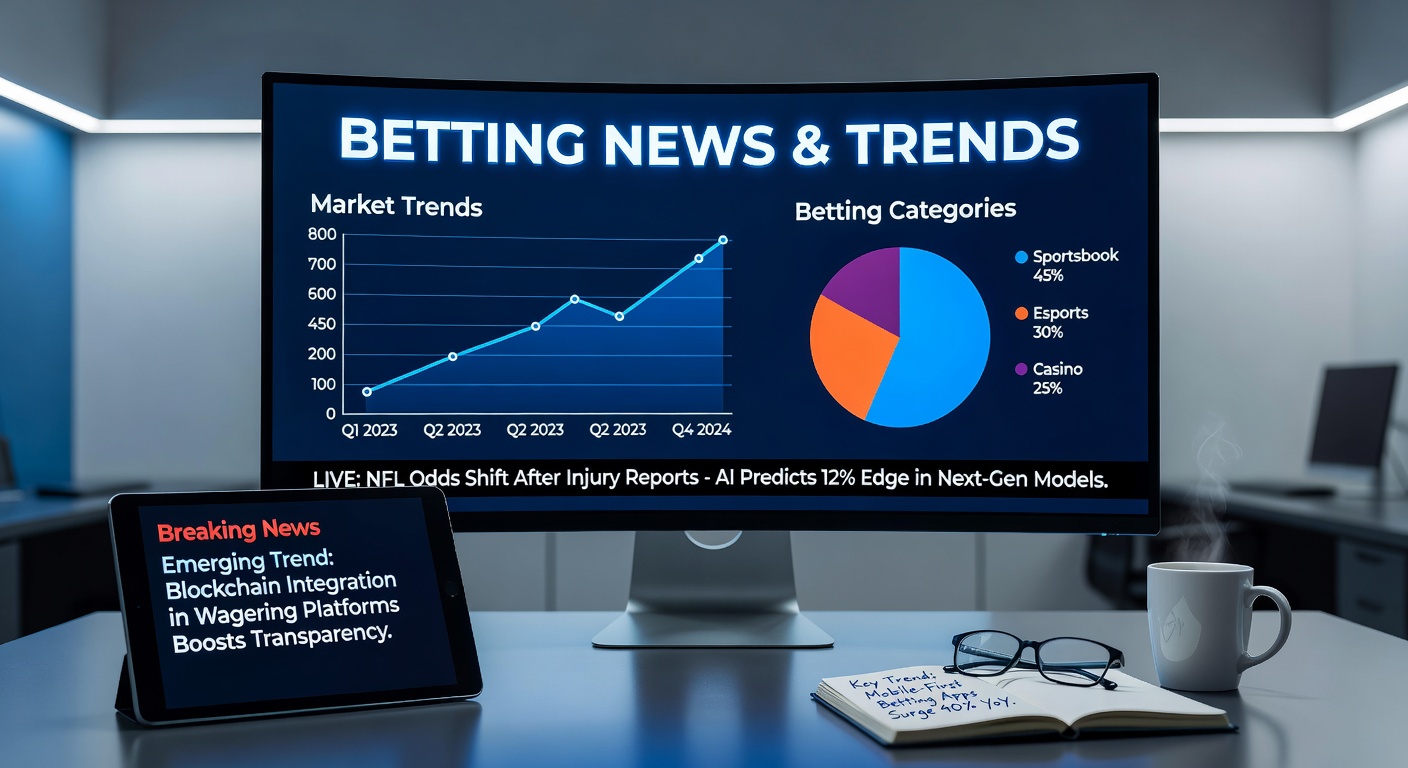
Prediction Markets Expand Reach in U.S. Sports Betting Amid 2026 World Cup Activity
Prediction markets operated by Kalshi and Polymarket accounted for roughly 27 percent of legal U.S. sports-betting volume throughout the 2026 World Cup period, a notable increase from the 9 percent share recorded earlier in the year, and these platforms surpassed several traditional sportsbooks in user growth along with overall trading volume according to figures cited in recent coverage. Observers note that the development placed pressure on established operators such as DraftKings and FanDuel, whose stock prices moved lower even while some of those companies continued to report elevated levels of interest from participants in certain segments.
Context Behind the Volume Shift
Regulatory distinctions play a central role in the current landscape because platforms regulated by the Commodity Futures Trading Commission offer event contracts that extend beyond standard point spreads and moneylines, giving users additional ways to engage with outcomes tied to matches and tournament stages, and this flexibility has drawn attention from bettors located in states where full sports wagering remains limited or unavailable through conventional channels. Data from the World Cup window shows trading activity on these prediction platforms climbing steadily as the tournament progressed, while the share held by legacy sportsbooks faced compression in direct comparisons of handle and active accounts.
Marketing efforts by the prediction market operators emphasized ease of access and broader contract types, which aligned with participant preferences during high-profile international events, and analysts tracking the sector point to aggressive promotional campaigns that highlighted both the regulatory oversight and the variety of available propositions as key factors in the observed growth trajectory.
Performance Metrics and Competitive Dynamics
Trading volume on Kalshi and Polymarket during the 2026 World Cup reached levels that positioned them ahead of several major sportsbooks when measured by percentage gains in active users and total contracts traded, and this outperformance occurred even as overall sports-betting interest across the United States reached record territory in some categories tracked by industry reports. Stocks tied to DraftKings and FanDuel experienced downward movement following the release of these comparative figures, reflecting investor assessments of the emerging competitive pressure from CFTC-approved venues.
Traditional operators maintained strong engagement in states with established licensing frameworks, yet the ability of prediction markets to operate across a wider set of jurisdictions created an uneven playing field that favored the newer entrants during the tournament window. Figures released in mid-2026 indicate that teh combined share held by Kalshi and Polymarket rose sharply once group-stage matches began, suggesting that participants responded to the expanded menu of contract options rather than solely to promotional incentives.
Regulatory and Market Access Factors
CFTC oversight allows prediction markets to list contracts on a range of verifiable events, including those connected to sports outcomes, provided the contracts meet specific criteria for settlement and transparency, and this framework has enabled platforms to extend services into regions where state-level sports-betting statutes impose stricter requirements on licensed sportsbooks. As a result, residents in certain states gained earlier or more complete access to World Cup-related wagers through prediction market interfaces than through conventional apps, contributing to the measured shift in volume share.
Industry observers tracking regulatory developments note that the distinction between event contracts and traditional wagers continues to shape competitive positioning, with prediction platforms leveraging their federal-level authorization to fill gaps left by varying state approaches. The 2026 World Cup served as a clear test case for these dynamics because the global event generated sustained interest across multiple time zones and demographics, allowing direct comparisons of platform performance under similar external conditions.
Ongoing Developments Into August 2026
By August 2026 the patterns established during the World Cup period remained visible in post-tournament data releases, with prediction markets retaining a larger portion of overall sports-betting activity than they held at the start of the year, and analysts continue to monitor how traditional operators adjust product offerings and marketing strategies in response. Some sportsbooks have introduced additional contract-style features within their existing apps to address the demonstrated demand, while others have focused on deepening presence in states where regulatory parity exists.
Market participants have observed that the volume gains achieved by Kalshi and Polymarket during the summer event did not fully reverse once the tournament concluded, indicating a lasting adjustment in user preferences that extends beyond any single competition cycle. Stock performance among major sportsbooks has reflected these sustained trends, with periodic movements tied to earnings reports that incorporate both overall handle growth and relative share comparisons.
Conclusion
The 2026 World Cup period demonstrated a measurable redistribution of legal U.S. sports-betting activity toward CFTC-regulated prediction markets, driven by differences in product flexibility, geographic reach, and promotional intensity. Data compiled during and after the event shows Kalshi and Polymarket expanding their combined share to 27 percent, accompanied by corresponding effects on traditional sportsbook valuations and strategic planning. Continued tracking through August 2026 and beyond will clarify whether this reallocation represents a temporary tournament-driven spike or a more durable change in market structure.