Recurring Patterns in Payment Issue Resolutions Across Regulated Sports Betting Platforms
Riley Albrecht · Jul 28, 2026
Recurring Patterns in Payment Issue Resolutions Across Regulated Sports Betting Platforms
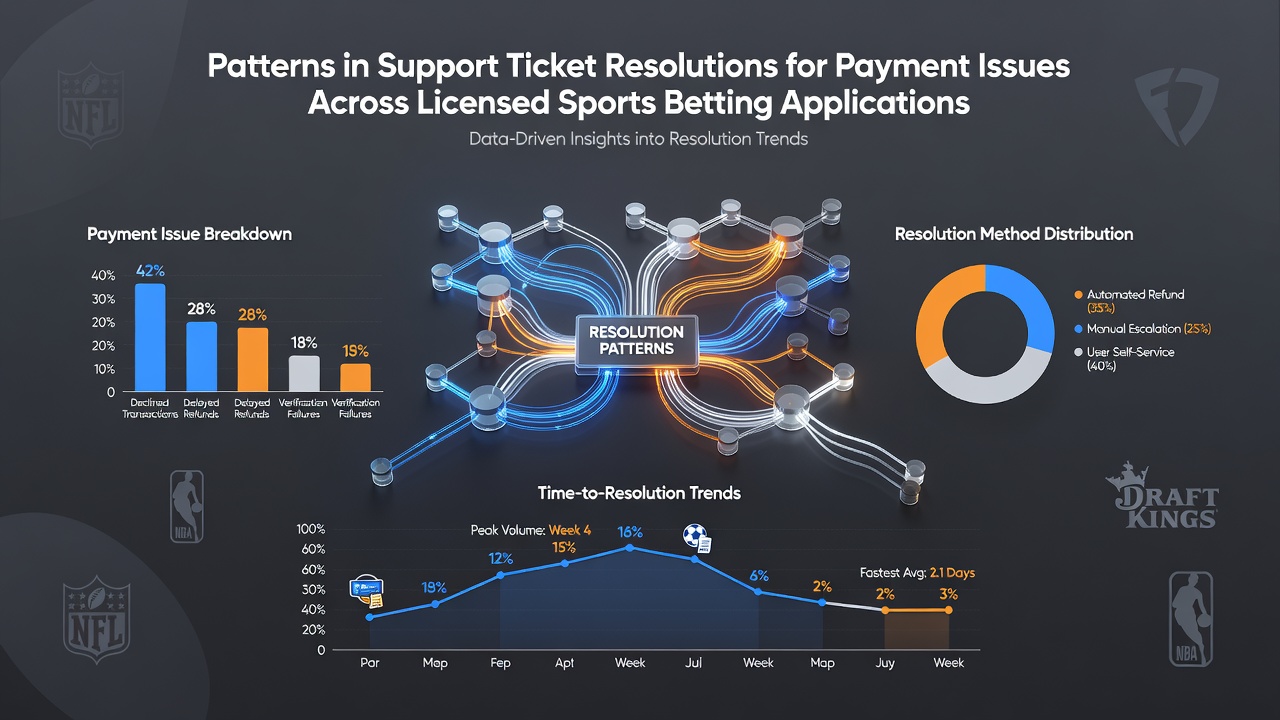
Data from multiple licensed operators shows that payment-related support tickets follow predictable cycles tied to deposit verification delays and withdrawal processing windows, with peaks occurring after major sporting events. Researchers tracking these patterns across several U.S. states note that verification bottlenecks account for nearly 40 percent of all payment queries submitted between January and June 2026, while withdrawal holds tied to compliance checks represent another 35 percent.
Common Ticket Categories and Their Frequency
Payment issues cluster around a few recurring themes rather than random complaints. Deposit failures linked to banking partner restrictions appear most often in jurisdictions with strict anti-money laundering rules, whereas withdrawal disputes frequently involve mismatched account details or pending identity confirmations. Observers tracking July 2026 data report that tickets involving international card networks spike on weekends when live events drive higher transaction volumes, creating temporary backlogs that operators resolve through automated status updates and follow-up emails.
Studies conducted by regional gaming authorities indicate that operators using integrated payment gateways experience 22 percent fewer repeat tickets compared with those relying on third-party processors alone. This difference emerges because direct integrations allow real-time status sharing that reduces user uncertainty during the resolution window.
Regional Variations in Resolution Timelines
Resolution speed varies noticeably by licensing jurisdiction. Platforms operating under New Jersey Division of Gaming Enforcement oversight typically close payment tickets within 48 hours when documentation is complete, while operators in newer markets such as North Carolina show average closure times closer to 72 hours during high-volume periods. These differences stem from varying staffing requirements and the maturity of local compliance frameworks rather than operator performance alone.
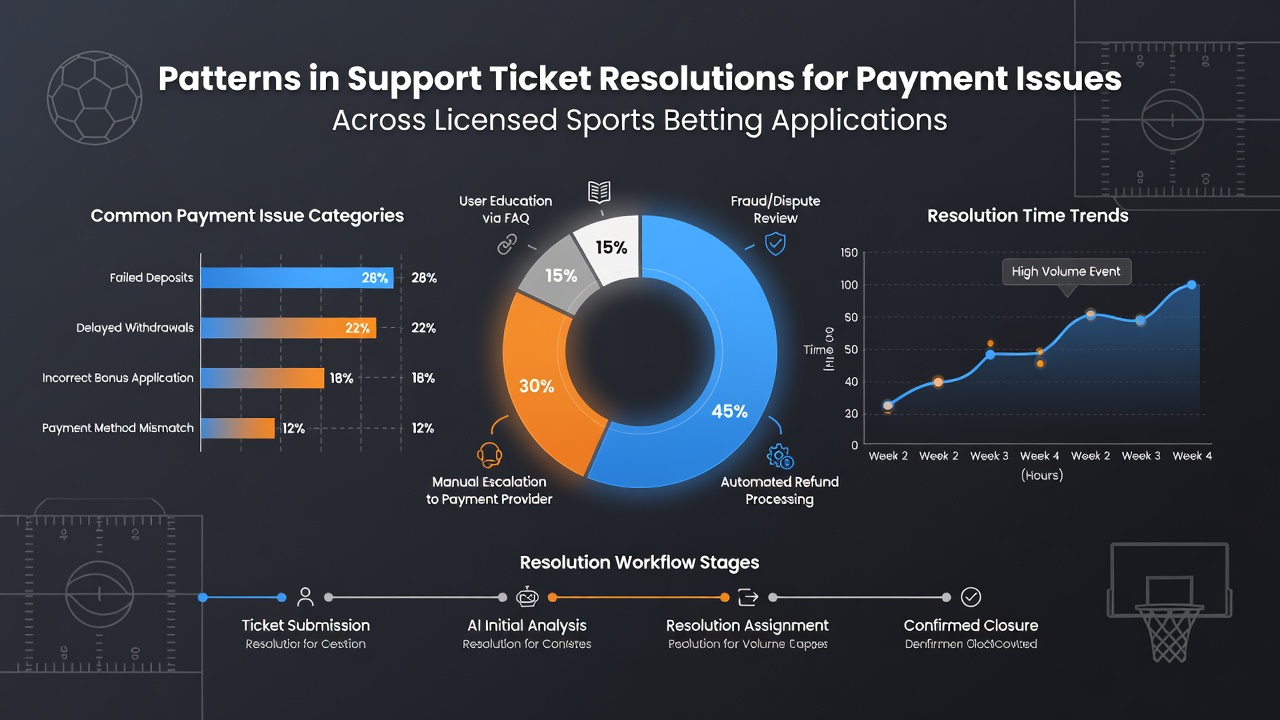
Canadian provincial regulators have documented similar patterns, with Ontario-licensed apps reporting faster turnaround on crypto-related tickets than on traditional bank transfers. European operators licensed in Malta demonstrate even shorter windows for e-wallet disputes because automated verification tools are more widely adopted there. Data indicates these regional differences persist even when the same parent company manages multiple licenses.
Factors Influencing Ticket Outcomes
Successful resolutions often correlate with prompt user responses to verification requests. Operators report that tickets where users submit required documents within the first 24 hours close at rates exceeding 85 percent without escalation. In contrast, delayed responses lead to automatic ticket aging and transfer to specialized compliance teams, extending resolution times by several days. What's interesting is how seasonal factors compound these delays, with July seeing increased activity from summer tournaments that coincide with staff vacation schedules at some support centers.
Payment method choice also shapes outcomes. Users selecting prepaid vouchers encounter fewer verification hurdles than those using credit cards issued outside the licensed jurisdiction, according to aggregated operator reports. Yet the reverse holds for withdrawal speed, where bank transfers remain the most reliable option despite longer initial processing.
Emerging Tools and Their Impact
Many licensed platforms now deploy predictive analytics to flag potential payment issues before users submit tickets. These systems scan transaction patterns and trigger proactive messages suggesting document uploads or account updates. Early adopters of this approach recorded a 15 percent drop in payment ticket volume during the first half of 2026. The same tools help route complex cases directly to senior agents familiar with specific banking partners, shortening overall handling time.
Collaboration between operators and financial institutions has produced standardized escalation protocols that further streamline resolutions. When a ticket involves a known banking restriction, agents can reference shared databases to provide users with precise next steps instead of generic troubleshooting.
Conclusion
Patterns in support ticket resolutions for payment issues reveal consistent themes across licensed sports betting applications, driven by verification requirements, payment method characteristics, and regional regulatory frameworks. July 2026 figures continue to reflect these established trends while highlighting incremental improvements from automated tools and cross-industry coordination. Ongoing data collection by multiple oversight bodies will likely refine these patterns further as markets mature.